A joint Horizon Europe symposium explored how remote and hybrid work are reshaping Europe’s regions, labour markets and communities, and how research can support better policy responses.
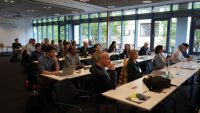 On 22 April 2026, researchers, stakeholders and policy-oriented audiences gathered in Mannheim, Germany, and online for the Joint Research Symposium “Remote Work in Europe: Evidence, Impacts, Policy – Mid-term insights from three Horizon Europe projects.” Hosted at the ZEW – Leibniz Centre for European Economic Research, the hybrid event brought together the Horizon Europe sister projects R-Map, WinWin4WorkLife, and REMAKING for a full-day exchange on how remote and hybrid work are reshaping Europe’s labour markets, regions and communities. More than 70 participants joined onsite and online, underlining the growing interest in evidence-based policy around remote work.
The symposium provided an important opportunity to discuss emerging findings, compare research perspectives and identify policy questions that require further attention. Rather than treating remote work as a single phenomenon, participants explored its many forms (including hybrid work, full-time remote work, digital nomadism, cross-border remote work, etc.) and its impacts in various aspects of private and public life. Discussions focused on the conditions that shape whether remote work produces positive outcomes: suitable infrastructure, organisational support, clear rules, healthy work environments and access to reliable data.
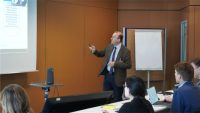
Prof. Stratos Stylianidis, R-Map’s Coordinator
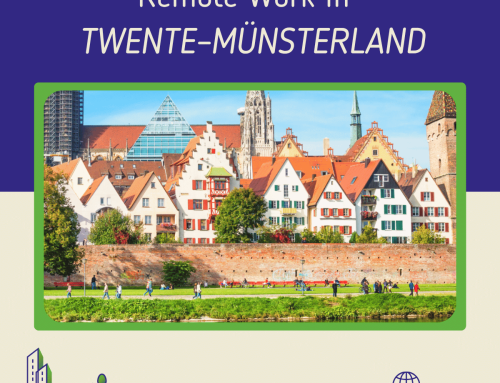
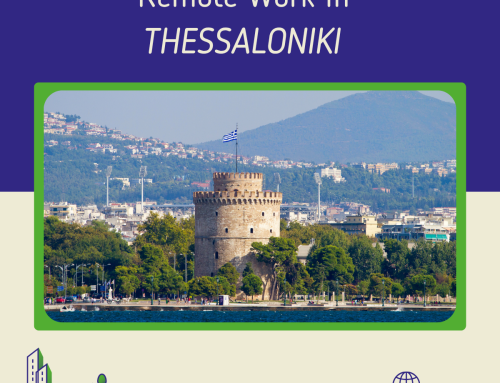
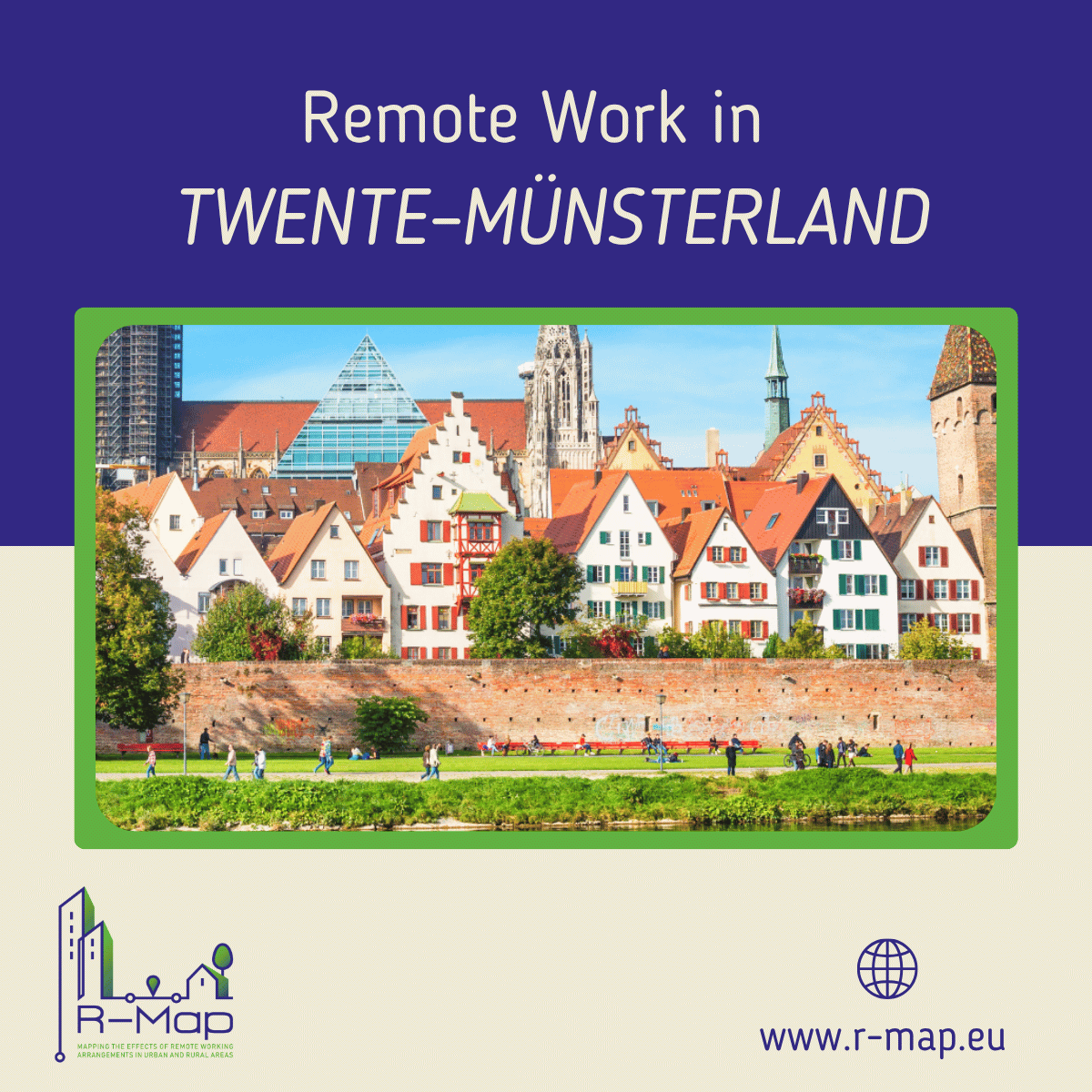
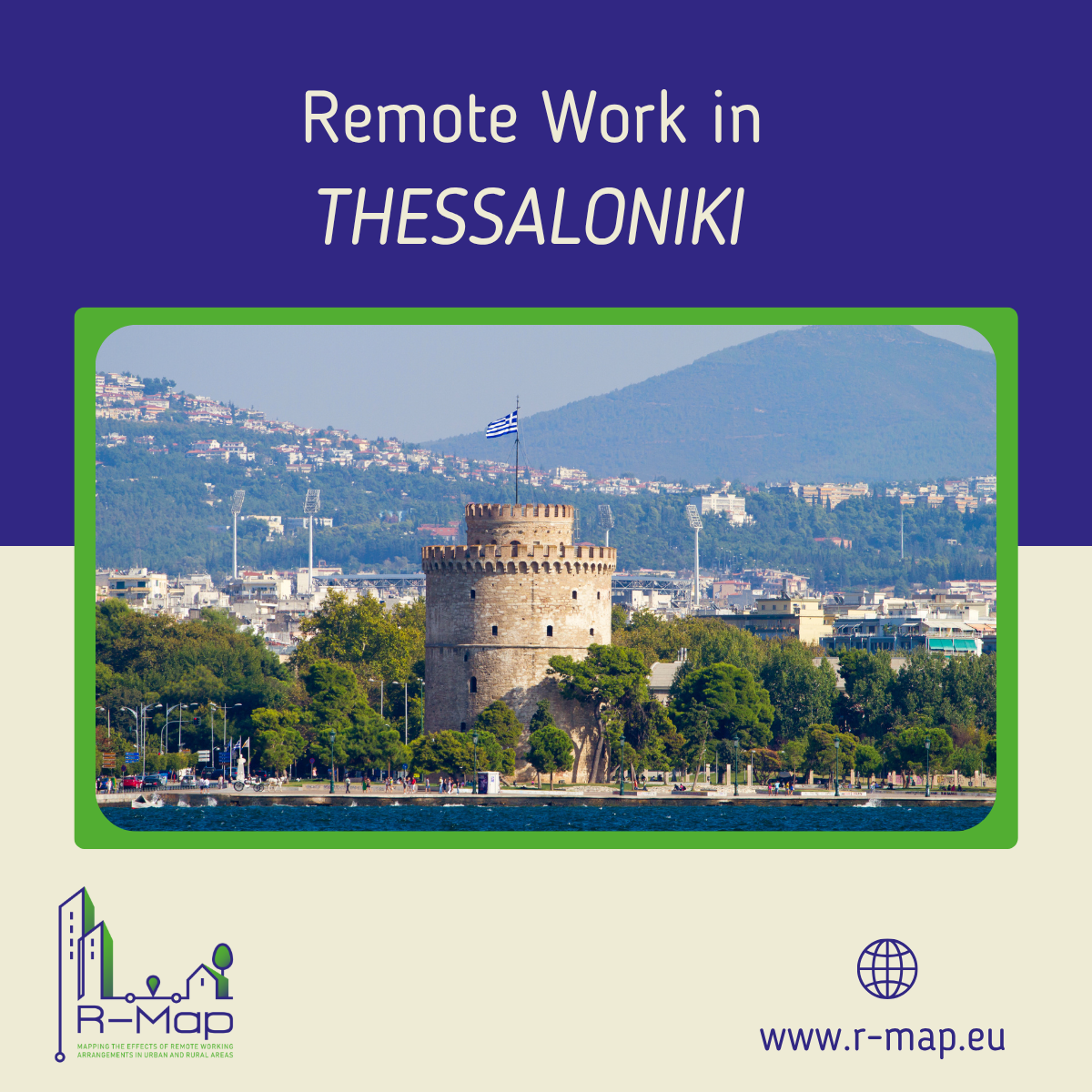
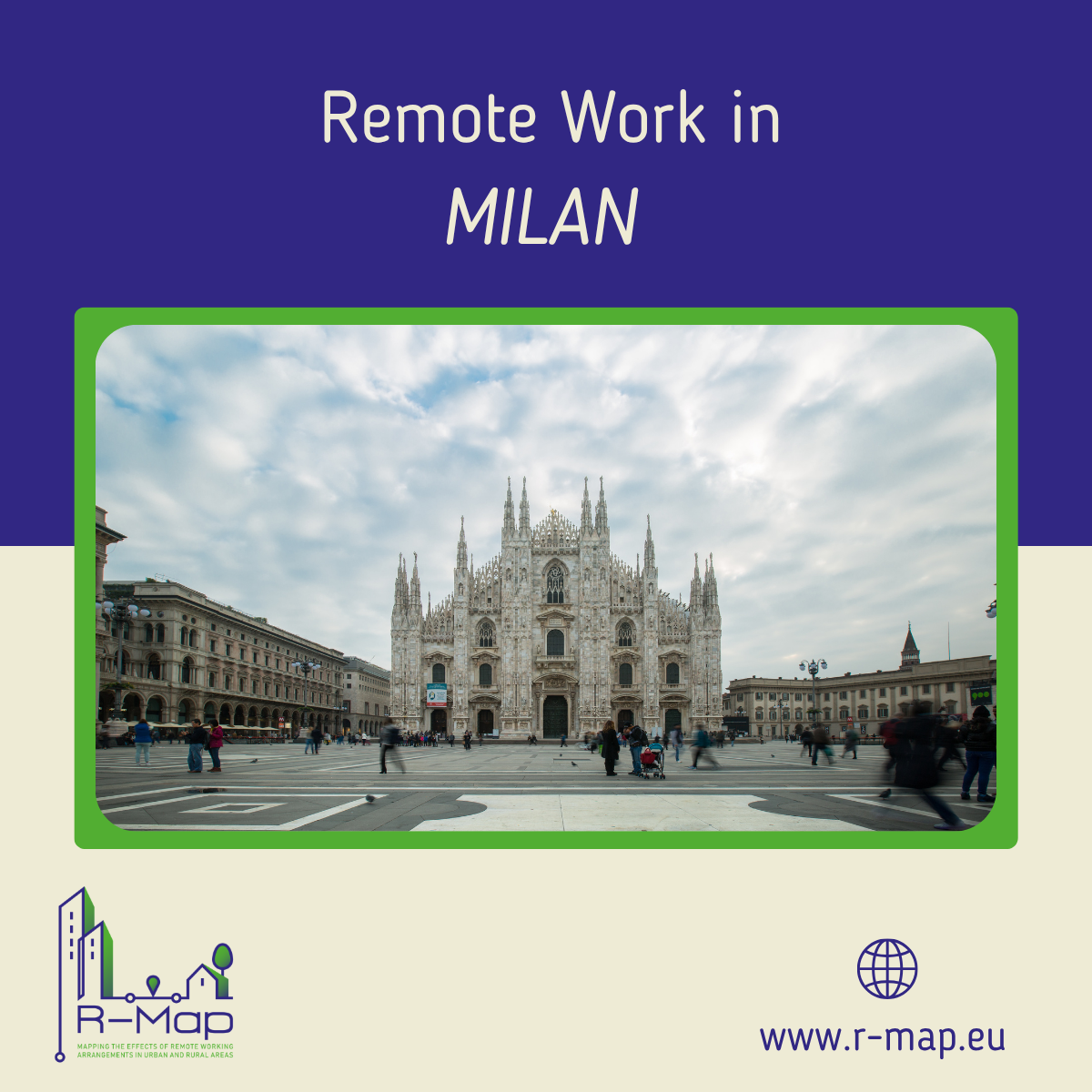
R-Map ’s research was presented across several sessions. In the opening session, Prof. Stratos Stylianidis from Aristotle University of Thessaloniki (AUTh) and R-Map’s Coordinator, introduced the project’s objectives, methodology, progress and future plans. Karin Pfeffer from University of Twente (UT) and Christos Politis from Q-PLAN then presented insights from the R-Map Model and Use Cases, focusing on the factors and causal relationships that shape remote work impacts in Thessaloniki, Twente–Münsterland and Milan.
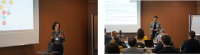
Karin Pfeffer (UT) & Christos Politis (Q-PLAN)
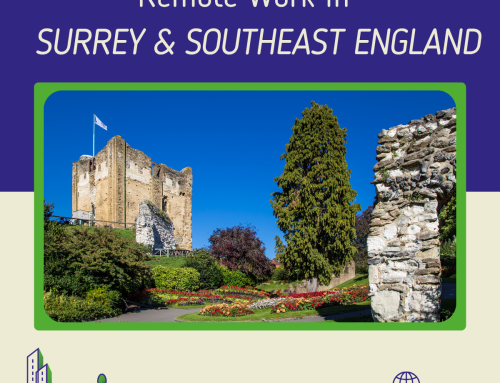
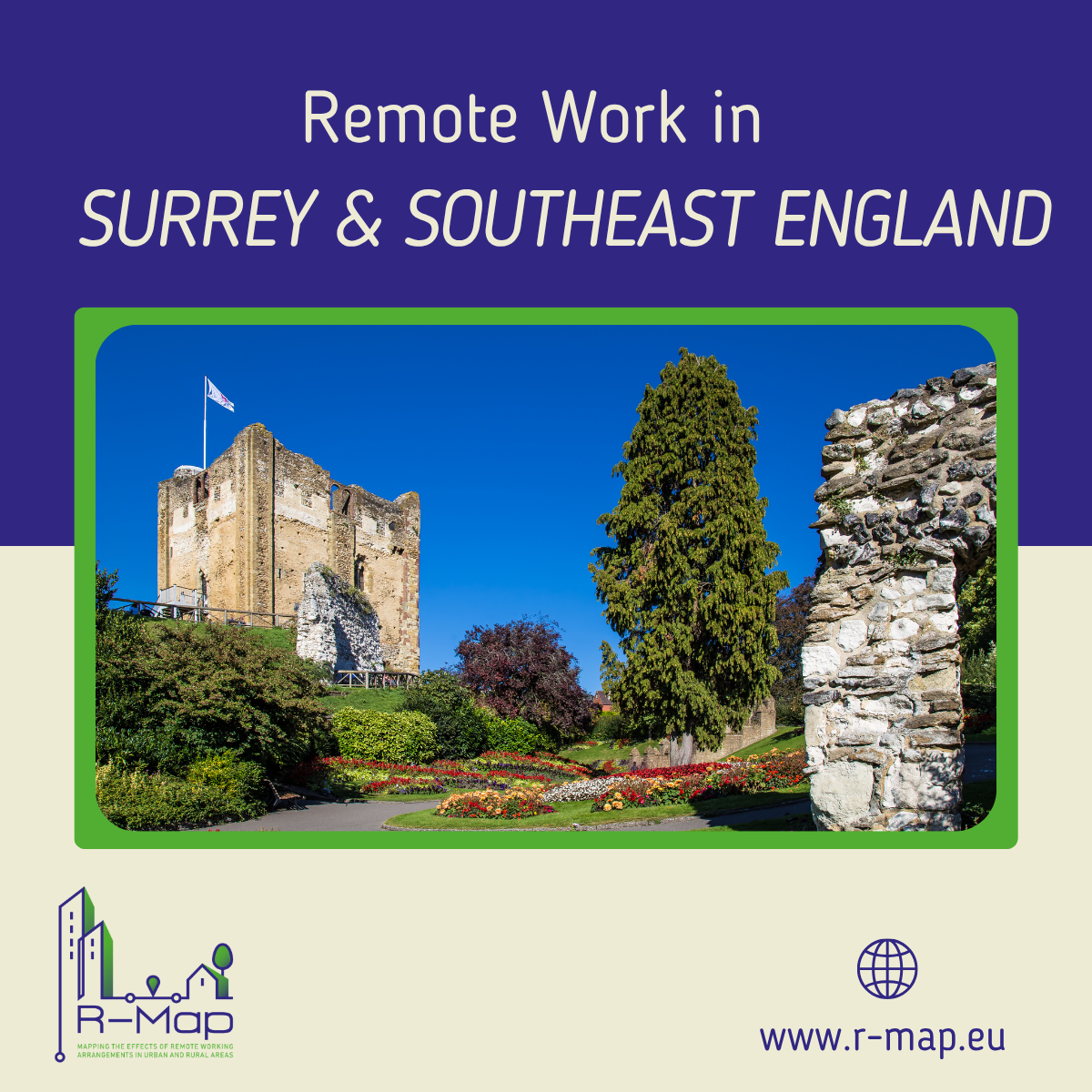
In the session on who demands remote work and why, Sibel Kiran from Koç University (KU) and Christos Politis from Q-PLAN discussed how remote work affects workers’ lives, well-being, health and future intentions, drawing on evidence from Istanbul, Surrey and Southeast England, and the Rheintal-Bodenseegebiet cross-border area. Panagiotis Papanikolaou from ARX.NET presented the R-Map visualisation platform, showing how interactive tools can support regional comparison and evidence-based policymaking. Finally, José Manuel Ferreira from METREX presented the R-Map policy brief, opening a discussion on short-term actions, medium-term strategic investments and long-term policy integration.
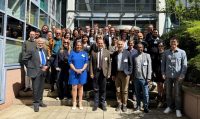
Family picture at the end of the Symposium
Overall, the symposium highlighted remote work as a complex policy issue linked to regulation, taxation, social security, occupational health and safety, mobility, sustainability, territorial development and inequality. Through its model, use cases, platform and policy work, R-Map contributed valuable evidence and practical tools to support a more informed European debate on the future of remote work.